Home › Residential › Rodents & Roof Rats
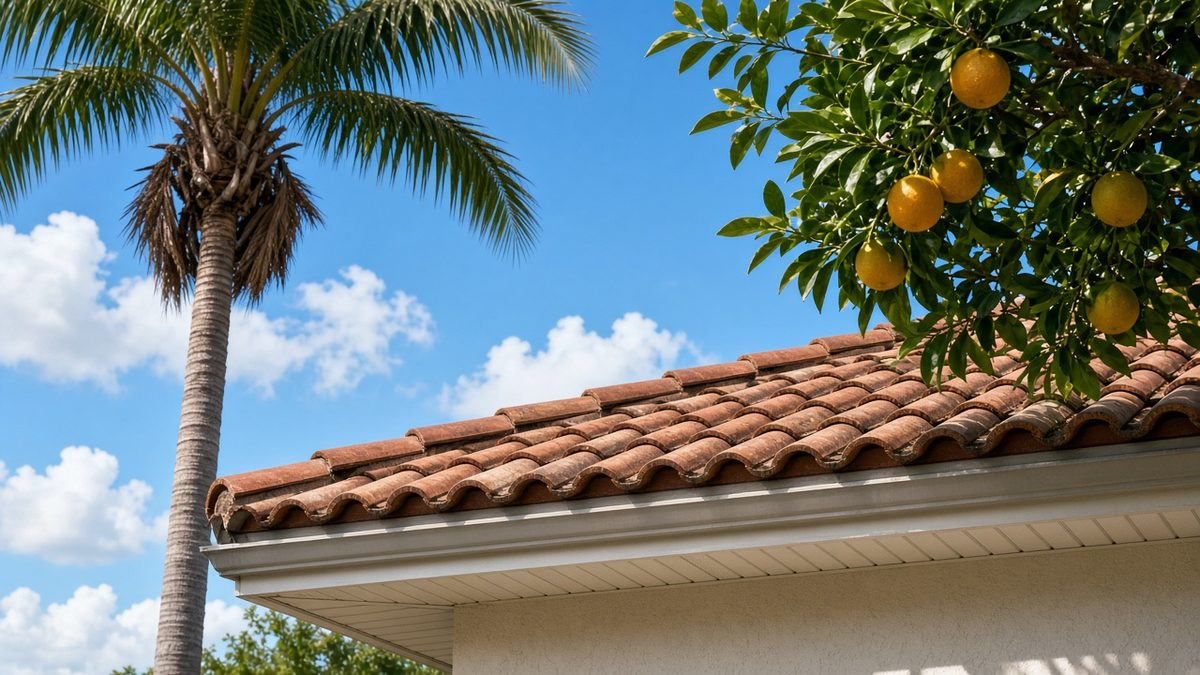
In Palm Beach County, the rodent in your attic is usually a roof rat. They climb palms, fruit trees and utility lines and get in through gaps at the roofline. Effective rodent control has three parts: an inspection to find how they’re getting in, sealing those entry points, and a trapping or baiting plan to remove the rodents already inside, followed up until the activity stops.
Rodent calls pick up from about November through January, when nights cool off and roof rats look for shelter. Homes with fruit trees, dense palms or vines on the walls see the most activity. Rats and mice chew wiring, contaminate stored items and attic insulation, and breed quickly, so it pays to act on the first signs.
Signs of roof rats and mice
- Scratching or running noises in the ceiling or walls, mostly at night.
- Small, spindle-shaped droppings in the attic, garage or kitchen cabinets.
- Gnawed fruit on your trees or chewed wires and boxes.
- Greasy rub marks along beams, pipes or entry gaps.
Our guide to signs of a rodent problem and our rodent identification page have more detail.
How our rodent control works
Inspect the whole structure
We check the roofline, soffits, vents, AC line openings, garage doors and attic to find active entry points and nesting areas.
Seal entry points
We’ll show you what we found and recommend how to seal openings so new rodents can’t get back in. Sealing is the step that keeps the problem from coming back.
Remove the rodents inside
We set a trapping and, where appropriate, exterior baiting plan, using tamper-resistant bait stations outdoors.
Follow up and report
We return to check and reset traps and record what we found on each written service report, until the activity stops.
Make your home less inviting
- Trim palm fronds and tree branches back from the roof.
- Pick up fallen fruit and don’t leave pet food out overnight.
- Store items in the garage in sealed plastic bins, not cardboard.
- Keep firewood, debris and dense vines away from the walls.
Related services and reading
Serving Palm Beach and Broward Counties
We provide rodent control in Delray Beach, rodent control in Hypoluxo and rodent control in Margate. From our base in Lantana we also serve Lantana, Lake Worth Beach, Boynton Beach, Boca Raton, West Palm Beach, Jupiter, Palm Beach Gardens, Wellington, plus dozens of other communities in Palm Beach and Broward counties. See all 49 service areas.
Rodent control FAQ
How do I know if it’s a roof rat or a squirrel?
Timing is the best clue. Roof rats are active at night; squirrels are active during the day. Droppings and the size of the entry hole help confirm it. We’ll identify it during the inspection.
How long does rodent control take?
Most homes need several visits over a few weeks: one to inspect and set traps, then follow-ups to check traps and confirm entry points are sealed. Your service reports show the progress.
Will you use poison inside my attic?
We generally don’t place bait inside living spaces or attics, because a rodent can die in a wall void. Inside, we rely on traps. Outdoors we use tamper-resistant bait stations when they’re appropriate.
Do you handle rodents for HOAs and businesses?
Yes. We service rodent programs for HOAs and condo associations, restaurants and warehouses.
Book a complimentary inspection
We’ll share what we find and recommend a plan. Office hours: Monday to Friday, 8 AM to 4 PM.
Q and L Pest Management LLC · FDACS Pest Control Business License #JB333443 · Inspect first. Treat smart.