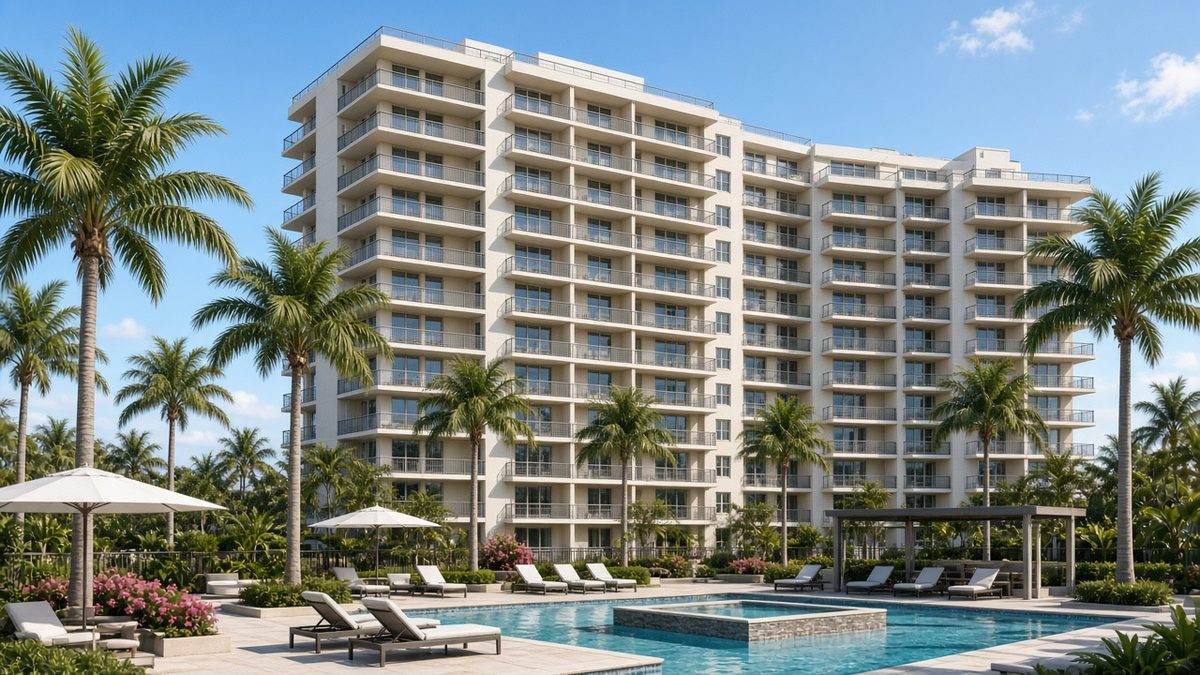
For condo associations, HOAs and managed buildings, termite control is a board and budget decision as much as a treatment decision. We inspect common elements and reported units, identify the termite and map the activity, and give the manager and board a written report with options, from Liquid Subterranean Termite Treatment and the Termite Baiting System (BASF Trelona) to Tent Fumigation of the building, so they can plan, budget and notify residents.
In a condo or townhome community, termites found in one unit raise immediate questions: is it just that unit, is it the building, and who is responsible? Clear inspection findings and a written set of options help boards answer those questions quickly and fairly.
Termite issues in community and managed properties
- Drywood termites in shared roof framing, soffits and balconies in condo and townhome buildings.
- Subterranean termites entering through slabs, expansion joints and wood touching soil in common areas.
- Wood structures in common areas such as gazebos, pergolas, fencing and boardwalks.
- Termite activity reported by residents in individual units.
- Scattered-site homes in a property manager’s portfolio.
How we support boards and managers
Inspection of common elements and reported units
We inspect accessible common areas and the units with reported activity, and identify the species.
Written findings and options
The report explains the scope and the options, with what each means for residents:
- Liquid Subterranean Termite Treatment of the soil around buildings for subterranean termites.
- Termite Baiting System (BASF Trelona): in-ground bait stations around buildings, with annual monitoring and renewal.
- Tent Fumigation for drywood termites in the structure. See tent fumigation for condo buildings and HOAs.
Planning and resident notice
We help managers plan timing and give notice that can be shared with residents.
Records over time
Inspection findings and treatments are documented by building, and Termite Baiting System monitoring visits are recorded each year, so the association has a record over time.
Residents can read our guide to termite signs to know what to report.
When a building, a unit or a managed property is sold or refinanced, we also perform WDO inspections reported on Florida’s official Wood-Destroying Organisms Inspection Report (FDACS Form 13645).
Related services and reading
Serving Palm Beach and Broward Counties
We provide termite treatment for Boca Raton communities, termite treatment for Haverhill communities and termite treatment for Lauderhill communities. From our base in Lantana we also serve Lantana, Lake Worth Beach, Boynton Beach, Delray Beach, West Palm Beach, Jupiter, Palm Beach Gardens, Wellington, plus dozens of other communities in Palm Beach and Broward counties. See all 49 service areas.
Condo and HOA termite FAQ
Is termite treatment the association’s or the owner’s responsibility?
It depends on your governing documents and where the termites are. We document the location and scope so the board and its counsel can decide.
Can you inspect several buildings at once?
Yes. We can schedule a community-wide inspection and report findings by building.
Do you attend board meetings?
We can provide a written report and attend a meeting to answer questions.
Can you do WDO inspections for unit or property sales?
Yes. Property managers, owners and buyers can order a WDO (wood-destroying organism) inspection when a unit, building or multifamily property is sold. See WDO inspections for property sales or call (561) 725-5274.
Do you treat termites in single businesses and homes?
Yes. See commercial termite control and termite treatment for homes.
Request a complimentary site inspection
We’ll share what we find and recommend a plan. Office hours: Monday to Friday, 8 AM to 4 PM.
Q and L Pest Management LLC · FDACS Pest Control Business License #JB333443 · Inspect first. Treat smart.