Google review
Q and L was quick to respond and incredibly effective in remedying a termite issue. I could not recommend them enough.
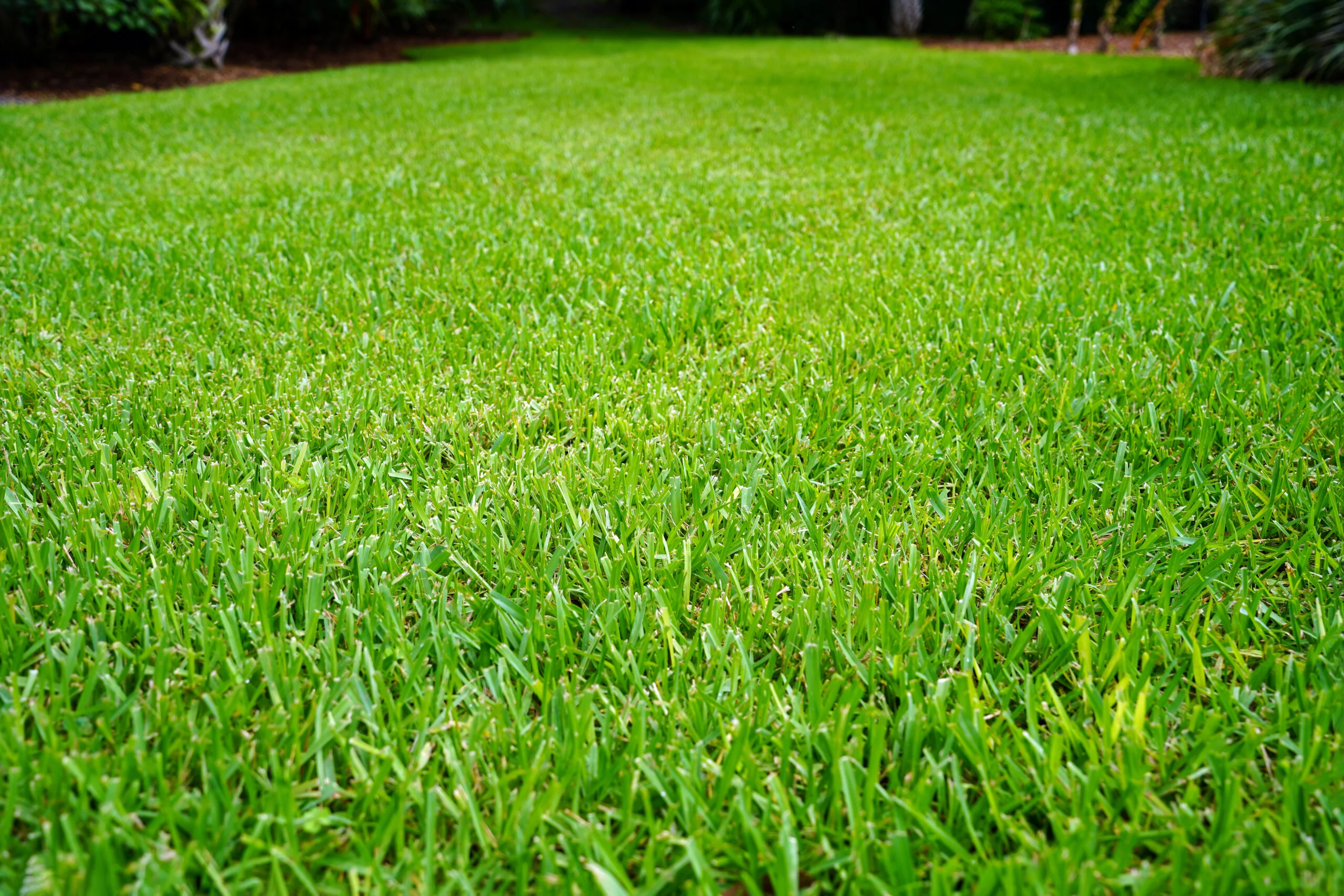
Short answer: To care for St. Augustine grass in South Florida’s dry season, mow high (3.5 to 4 inches for standard cultivars, about 2.5 inches for dwarf cultivars), never remove more than a third of the blade at once, water deeply and only when the lawn shows signs of wilt, water early in the morning, and watch for chinch bugs in sunny, dry areas. Keep mower blades sharp and leave clippings on the lawn.
St. Augustine is the most widely planted lawn grass in South Florida, and for good reason. When it’s cared for, it has a lush green to blue-green look and handles shade, salt and heat well. But it can struggle when it’s overwatered, mowed too short or stressed during the dry season. Here’s how to keep it healthy from Jupiter to Boca Raton.
The dry season is when watering habits matter most.
In the hot, dry season, chinch bugs are one of the most common causes of yellow to brown patches in St. Augustine. Damage often starts in the sunniest areas, near driveways, sidewalks and the edges of the lawn. Drought stress and chinch bug damage can look similar, so it’s worth checking. Our post on chinch bugs vs. sod webworms explains how to tell, and our lawn and ornamental pests page has more.
Cultivar choice matters. In our area, some St. Augustine lawns have been affected by Sugarcane Mosaic Virus, which has been a particular concern for the Floratam cultivar. If you’re planning new sod, ask about cultivars that are better suited to current local conditions. We’re happy to talk through options during an inspection.
Lawn health depends on many things: irrigation, soil, nutrients, mowing, insects and disease. If you have patches that keep spreading, or you’re not sure what’s causing the damage, an inspection is the best next step. Our lawn and ornamental program includes fertilization, insect control, fungus control, weed control and palm treatments.
Much of this guidance is based on University of Florida IFAS recommendations for Florida lawns.
About 3.5 to 4 inches for standard cultivars and about 2.5 inches for dwarf cultivars, and never more than a third of the blade at once.
Water deeply when the lawn shows signs of wilt, rather than on a set daily schedule, and follow local watering restrictions.
Heat and drought stress near pavement are common, and chinch bugs often start in those sunny, hot areas. An inspection can tell you which it is.
No. Leaving clippings returns nutrients to the lawn. Just blow out any thick clumps.
Yes. Call (561) 725-5274 or book on our contact page.
Book a complimentary inspection and we’ll share what we find, explain your options and recommend a plan for your home.
Request a complimentary inspection: qandlpest.com/estimate · (561) 725-5274
Office hours: Mon–Fri 8:00 AM–4:00 PM.
Inspect first. Treat smart.
About the author
Michael Ringler, Q and L Pest Management. Q and L Pest Management is a family-owned pest control company based in Lantana and serving Palm Beach County.Q and L Pest Management LLC holds FDACS Pest Control Business License #JB333443. Services are performed under FDACS Certified Pest Control Operator John Park, certificate #JF320165.
Google reviews
5.0 average from 51 Google reviews · Read on Google (opens in a new tab) · Leave a review (opens in a new tab)
Review 1 of 12 — swipe or use arrows to browse